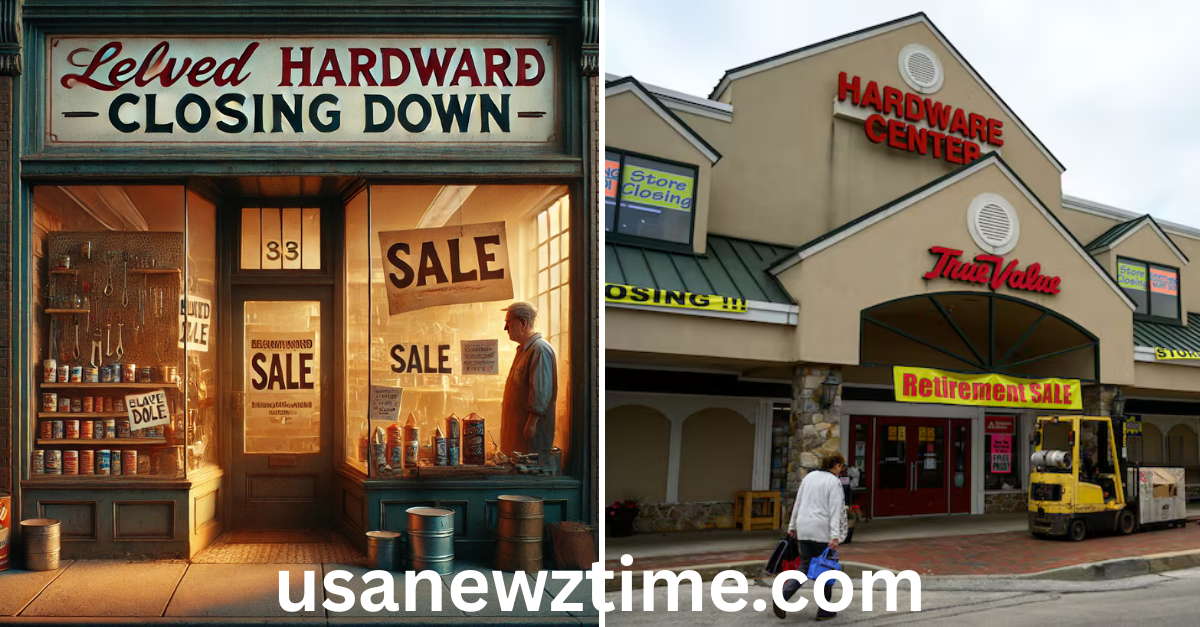
The announcement of a beloved hardware store closing has left many residents and loyal shoppers in shock. For decades, this store has been more than just a place to buy tools and supplies—it has been a cornerstone of the local community. From DIY enthusiasts to professional contractors, the store served as a reliable source for both high-quality products and personal service. Its closure signals not just the end of a business but a shift in the way the community accesses home improvement resources.
A Community Landmark Losing Its Place
Hardware stores often act as hubs in their neighborhoods. The closing of this beloved store represents the loss of a gathering point where neighbors exchange advice, share projects, and find solutions to everyday problems. Many residents recall long-standing relationships with staff who knew their preferences, recommended the right tools, and offered guidance that went far beyond typical customer service. Such personal interactions are rare in today’s retail landscape, making this closure feel like the loss of a local institution.
Impact on Local Shoppers
For shoppers, the closure means more than just finding a new place to buy screws or paint. Many relied on the store for its specialized inventory and knowledgeable staff. DIY projects, home renovations, and repair jobs may now require extra planning, as shoppers search for alternative suppliers who may not offer the same breadth of products or expertise. Additionally, price comparisons and product accessibility could become more complicated, especially for those accustomed to the store’s competitive offerings.
Effects on Local Economy
Beyond individual shoppers, the closure affects the local economy. Small businesses like this hardware store provide jobs, pay local taxes, and support community initiatives. When such a store closes, it can lead to job losses, reduced economic activity in the surrounding area, and fewer local partnerships. Contractors and other small businesses that relied on this store may need to adjust their supply chains, potentially impacting their own operations and profitability.
Rise of Online Retail and Big-Box Competition
One of the key factors contributing to the closure is the rise of online retail and large chain stores. Consumers increasingly turn to e-commerce platforms for convenience, competitive pricing, and fast shipping. Big-box stores offer extensive inventories and national brand recognition, making it harder for smaller, local hardware stores to compete. While this trend benefits some shoppers, it also erodes the unique character and community connections that independent stores provide.
Emotional Toll on Long-Term Customers
The beloved hardware store closing has an emotional dimension as well. Long-term customers feel a sense of nostalgia and loss, recalling years of trust, memorable purchases, and friendly interactions with staff. For many, shopping at this store was not just transactional; it was a part of their lifestyle. Losing that connection leaves a void that large retailers and online platforms cannot easily fill, emphasizing the social importance of local businesses in community life.
Potential Opportunities for Replacement
While the closure is disheartening, it Beloved Hardware Store Closing also opens doors for new opportunities. Entrepreneurs may see potential in filling the gap left by the store, either through opening a new hardware shop or by creating niche services tailored to local needs. Some communities have explored cooperative models, pop-up hardware shops, or specialty suppliers that focus on DIY workshops, sustainable building materials, and personalized service, aiming to restore the unique value that large chains cannot replicate.
Advice for Shoppers Moving Forward
Shoppers facing this change should plan strategically. Exploring alternative stores in nearby neighborhoods, comparing prices online, and investing in high-quality tools that last longer can help ease the transition. Joining community groups or forums may also provide recommendations for reliable suppliers, ensuring that projects continue without significant disruption. While the adjustment may be inconvenient, it can also encourage smarter shopping habits and foster new connections within the local DIY community.
The Broader Lesson for Local Businesses
The closing of a beloved hardware store is a reminder of the challenges faced by small businesses today. Shifts in consumer behavior, competition from online platforms, and the rise of large chains create pressures that require adaptability and innovation. Communities can support local businesses by prioritizing them for purchases, engaging in loyalty programs, and recognizing the social and economic value these businesses bring. While closures are often unavoidable, proactive support can help sustain other independent businesses in the area.
Conclusion: More Than Just a Store
The beloved hardware store closing marks the end of an era for the community it served. Its absence will be felt by long-time customers, local contractors, and neighborhood residents alike. Beyond the tangible products it sold, the store represented trust, knowledge, and a sense of community that cannot easily be replaced. As shoppers adapt and the local economy adjusts, this closure highlights the delicate balance between modern retail convenience and the irreplaceable value of local, personal service. Remembering and celebrating these small businesses reinforces their importance and encourages the ongoing support needed to keep other community staples thriving.