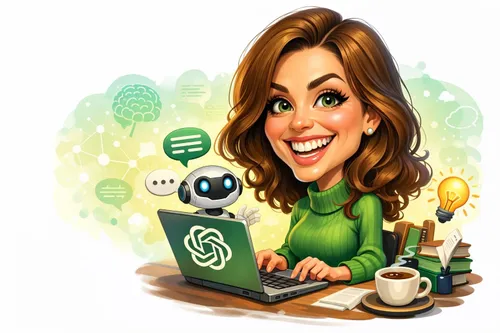
The chatgpt caricature trend became a popular way to turn ordinary photos into playful cartoon portraits. People began sharing exaggerated versions of themselves across social media. These images often show a person with larger features, funny props, and details linked to their work or hobbies. The trend became widely discussed in February 2026. Several technology publications reported on its rapid spread across social platforms.
What makes this trend interesting is its personal touch. It is not simply another cartoon filter. Users can provide a photo and describe a job, hobby, personality, setting, or visual style. ChatGPT can then create an image around those details. Current ChatGPT Images tools also support image creation and editing. Users can make changes through natural language prompts.
What Is the ChatGPT Caricature Trend?
The chatgpt caricature trend is a social media trend based on AI-generated caricature portraits. A caricature normally exaggerates certain facial or visual features. Traditional artists have created this type of artwork for many years. AI now makes a similar idea available through simple text instructions.
The trend became especially noticeable when users started asking ChatGPT to create caricatures based on their photos and personal details. Some popular versions connect the person’s appearance with their profession. A teacher may receive books and classroom items. A designer may appear with creative tools. A gamer might receive a gaming setup. Reports described these personalized results as a major part of the trend.
The result can look funny, dramatic, cute, or highly stylized. The exact result depends on the uploaded image and prompt.
Why Did This AI Caricature Trend Become Popular?
The chatgpt caricature trend combines several things that work well on social media. First, the images are personal. People enjoy seeing familiar faces transformed into unusual characters. Second, creating an image requires little technical knowledge. Users can simply describe what they want.
Another reason is customization. A normal filter applies roughly the same effect to everyone. An AI caricature can include specific objects, clothing, locations, colors, and activities. This makes each result feel different.
The timing also helped. ChatGPT’s image features have become more capable and easier to use. OpenAI says current ChatGPT Images can create new images and edit existing ones. The system can also follow detailed instructions and support different aspect ratios.
This combination made AI caricature creation accessible to a much wider audience.
How Does the ChatGPT Caricature Trend Work?
The basic process is simple. Start with a clear photo that you have permission to use. Upload the image to ChatGPT. Then explain the caricature you want.
You can mention the person’s profession, clothing, favorite activities, background, mood, and artistic style. You can also explain how exaggerated the facial features should be. A useful prompt might ask for a playful caricature while keeping the person’s main facial characteristics recognizable.
ChatGPT Images can also make changes after the first image appears. You might ask for a different background or remove an unwanted object. You can also request changes to clothing, composition, lighting, or style. OpenAI’s current image documentation explains that users can select parts of an image or describe edits directly in the conversation.
This makes the process more like a creative conversation than a one-click filter.
What Makes a Good Caricature Prompt?
A strong prompt gives the AI enough direction without becoming confusing. You do not need a huge paragraph. OpenAI recommends clear, descriptive prompts that explain the purpose, subject, setting, and desired visual style.
For example, you could describe the person as a friendly teacher standing inside a colorful classroom. Add books, a whiteboard, and a playful expression. Then request a polished cartoon caricature with slightly exaggerated facial features.
You can also control the mood. Try words such as playful, humorous, colorful, professional, dramatic, or cute. If the first result feels too extreme, ask for a more natural version.
The chatgpt caricature trend works best when your instructions explain what matters most. Avoid adding many unrelated details. Too many requirements can make the final composition less focused.
Popular ChatGPT Caricature Ideas
There are many ways to personalize an AI caricature. Your profession is an easy starting point. A chef could appear in a kitchen surrounded by cooking tools. A photographer could stand beside cameras and lighting equipment. A student could appear with books and study materials.
Hobbies can also make great themes. Sports, music, travel, gaming, cooking, painting, and photography all provide visual ideas. You can combine several interests into one scene.
Another option is a themed character. You might request a comic-book look, miniature figure style, magazine illustration, or classic cartoon appearance. However, avoid asking the system to reproduce a living artist’s exact style.
The chatgpt caricature trend becomes more interesting when the image tells a small story. Instead of simply changing someone’s face, build a scene around their personality or daily routine.
How to Make Your Caricature More Personal
Personal details can make an AI caricature feel more meaningful. Think about the objects that represent the person. Their laptop, camera, sports equipment, books, musical instrument, or favorite clothing can become visual elements.
You can also describe a typical environment. A writer might sit at a desk. A mechanic might stand in a workshop. A traveler might appear beside luggage and famous landmarks.
Keep the description truthful when using real people. AI can create details that were never actually present. That is part of the creative process, but viewers should not mistake fictional elements for real events.
A useful approach is to separate facts from creative additions. Tell ChatGPT which features should remain recognizable. Then describe which parts can be exaggerated for humor.
Can You Edit a Caricature After Creating It?
Yes. Image editing is one of the useful parts of modern ChatGPT Images. OpenAI says users can upload an existing image and describe the changes they want. The editor can also target specific areas of an image.
For example, you could ask to change the background without changing the person’s face. You could request different clothing or remove an object. You can also ask for a wider composition suitable for social media.
The chatgpt caricature trend does not require you to accept the first result. Creating several versions can often produce a better final image.
Small changes can make a large difference. If the face looks too exaggerated, request a softer caricature. If the scene feels empty, add a few relevant objects. If the image looks too realistic, request a more obvious cartoon treatment.
Is the ChatGPT Caricature Trend Safe?
Safety depends partly on what you upload and how you use the image. Personal photos contain information about real people. Think carefully before uploading sensitive images or photographs containing other people.
Consent is especially important. OpenAI’s current service terms state that users should have the necessary rights and consent when reproducing a person’s likeness through visual capabilities.
You should also avoid using someone’s photograph to create misleading or harmful content. A funny caricature is different from an image designed to deceive viewers.
OpenAI also describes safety systems for image generation. These systems include checks at different stages of the image-generation process.
Responsible use helps keep the trend creative rather than harmful.
What About Privacy When Uploading Photos?
Privacy deserves attention because AI image tools process the content users provide. OpenAI’s privacy documentation states that user content can include prompts, images, files, audio, and video.
Before uploading a photograph, consider what information it contains. Avoid unnecessary documents, private addresses, identification cards, or other sensitive details.
It is also useful to understand your available privacy controls. OpenAI provides a Privacy Center where users can review privacy options and related settings. Availability can vary by account, region, plan, and workspace.
The chatgpt caricature trend can be fun without sharing everything about yourself. A simple portrait and a few creative instructions may be enough.
Can You Use the Images on Social Media?
Many people create caricatures specifically for social media. You can make square images for profile posts or wider images for other platforms. ChatGPT Images supports different aspect ratios, which can help with different publishing formats.
Before posting, check whether the image could confuse viewers. If the picture contains fictional props or an imaginary setting, consider making that clear.
You should also respect other people’s rights. Do not upload someone else’s photograph without appropriate permission. This matters even when the final image is intended as a joke.
If you are creating promotional content, review the relevant platform and business rules before publishing. AI-generated artwork can be creative marketing material, but transparency and proper permissions remain important.
How to Get Better Results From AI Caricatures
Better results usually come from better instructions and careful revisions. Start with one clear idea. Explain the subject, setting, mood, and visual style.
Then inspect the generated image. Identify the biggest problem instead of rewriting the entire prompt. Ask for one or two targeted changes.
For example, you might say that the face should remain closer to the reference photo. You could also request fewer background objects or a more expressive pose.
The current ChatGPT Images experience is designed for iterative creation. OpenAI describes the ability to generate variations, refine images, and make detailed edits.
The chatgpt caricature trend is therefore less about finding one perfect prompt. It is about giving useful instructions and improving the result step by step.
What Are the Limits of AI Caricatures?
AI caricatures can make mistakes. Facial details may change unexpectedly. Objects can sometimes appear incorrectly. Clothing, hands, text, and background elements may also need revisions.
A caricature is also an interpretation rather than an exact record. The system may add visual details based on your instructions. It should not be treated as proof that a person actually owns an object or behaves in a certain way.
Another limitation is consistency. Two generations using similar instructions may produce different results. This is normal for generative image systems.
The chatgpt caricature trend is best viewed as creative experimentation. The goal is usually entertainment and visual storytelling rather than photographic accuracy.
How the Trend Shows the Changing Role of AI Art
The chatgpt caricature trend shows how AI art is moving beyond simple filters. Users are now giving systems more personal instructions. The result can combine a face, profession, interests, objects, and storytelling elements.
This reflects broader changes in image generation. OpenAI’s current ChatGPT Images 2.5 includes stronger editing, improved instruction following, templates, sketch-based generation, and other creative controls.
The trend also raises interesting questions about creativity. Traditional caricature artists make choices about what to exaggerate. AI systems perform a similar transformation through learned visual patterns and user instructions.
That does not make every AI image automatically meaningful. The user’s idea still matters. A thoughtful concept can create a memorable result, while a vague prompt may produce something generic.
Complete Information Table About the Trend
| Detail | Information |
| Trend name | ChatGPT caricature trend |
| Main format | AI-generated caricature portraits |
| Popular period | Early 2026 |
| Typical input | Photo and written prompt |
| Common theme | Person, profession, hobby, or personality |
| Visual style | Cartoon, caricature, playful illustration |
| Main purpose | Entertainment and creative sharing |
| Editing | Supported through ChatGPT Images |
| Customization | Background, clothing, objects, mood, style |
| Main consideration | Privacy and consent |
| Best approach | Clear prompt and gradual revisions |
| Suitable users | Creators, casual users, artists, and social media users |
Frequently Asked Questions
1. What is the ChatGPT caricature trend?
The chatgpt caricature trend is an AI art trend where people turn photos into personalized caricatures. Users usually provide a photo and describe a creative scene. The AI then generates an exaggerated cartoon-style portrait.
2. How do I make a ChatGPT caricature?
Upload a suitable photo and describe the desired result. Include the person’s setting, profession, clothing, mood, and visual style. Then review the image and request changes if needed.
3. Do I need a special caricature app?
Not necessarily. ChatGPT currently includes image-generation and editing features. OpenAI says ChatGPT Images is available across its supported web and mobile experiences.
4. Can I use my own photo for the trend?
Yes, provided you have the necessary rights to use the photo. When another person appears in the image, consider their consent before uploading or publishing it. OpenAI’s service terms specifically address rights and consent for reproducing people’s likenesses.
5. Why does my AI caricature look different from my photo?
AI caricatures intentionally transform visual features. The prompt can also influence the result. Try asking for stronger facial similarity and less exaggeration if you want a closer likeness.
6. Can I edit my caricature after generating it?
Yes. ChatGPT Images supports image editing through natural-language instructions. You can request changes to specific areas or describe the overall adjustment you want.
Conclusion
The chatgpt caricature trend has made personalized AI artwork easy for everyday users. What once required drawing skills can now begin with a photo and a simple idea. The most interesting results often come from personal stories, jobs, hobbies, and small visual details.
The trend also shows why responsible AI use matters. Always consider privacy, consent, and the context of an image before sharing it. Remember that an AI caricature is creative artwork, not necessarily a factual representation.
If you want to experiment, start with a clear concept. Use a suitable photo and explain what should remain recognizable. Then improve the image through small edits. With thoughtful prompts, the chatgpt caricature trend can become a fun way to explore personal storytelling through AI-generated art.